
The Heir Who Wants to Be Mayor
Hi, welcome to your Weekend.
To spend time with Daniel Lurie is to understand the true meaning of the word “mensch.” Everyone who knows the San Francisco philanthropist and Levi’s heir says pretty much the same things about him: Daniel is “a really good guy”—affable, smart, egoless and earnest in his desire to improve the lives of the neediest.
So earlier this year, when I began hearing that the Tipping Point Community founder was weighing a run for San Francisco mayor, it was a head-scratcher. Why would a good guy like Lurie want anything to do with the mean, nasty, knife-fight-in-a-phone-booth world of San Francisco politics?
My cover story on Lurie explores the brutal political scene that he has thrust himself into. It questions whether someone who’s excelled at collecting and handing out other people’s money can make the leap into running a complex $14.6 billion bureaucracy. And it ponders why a nice family man with an unquestionably charmed life would sacrifice his privacy, and maybe his sanity, to take on such a punishing job.
Lurie was generous with his time, as were some of his many friends in tech. But I also heard many misgivings about his qualifications—and I had some of my own as I listened to Lurie make his pitch. One thing’s for certain: He’s got a rough road and a steep learning curve ahead of him. We’ll see if he’s one nice guy who can finish first.
Now onto this week’s stories...
the big read

Daniel Lurie Started Tech’s Favorite Charity. Can He Save Its Favorite City?
As the philanthropist and Levi’s heir shakes up San Francisco’s mayoral race, questions arise about his experience, track record and toughness. I spoke with Lurie as he tries to convince voters that he has what it takes to manage the city’s cascading problems.
the 1:1
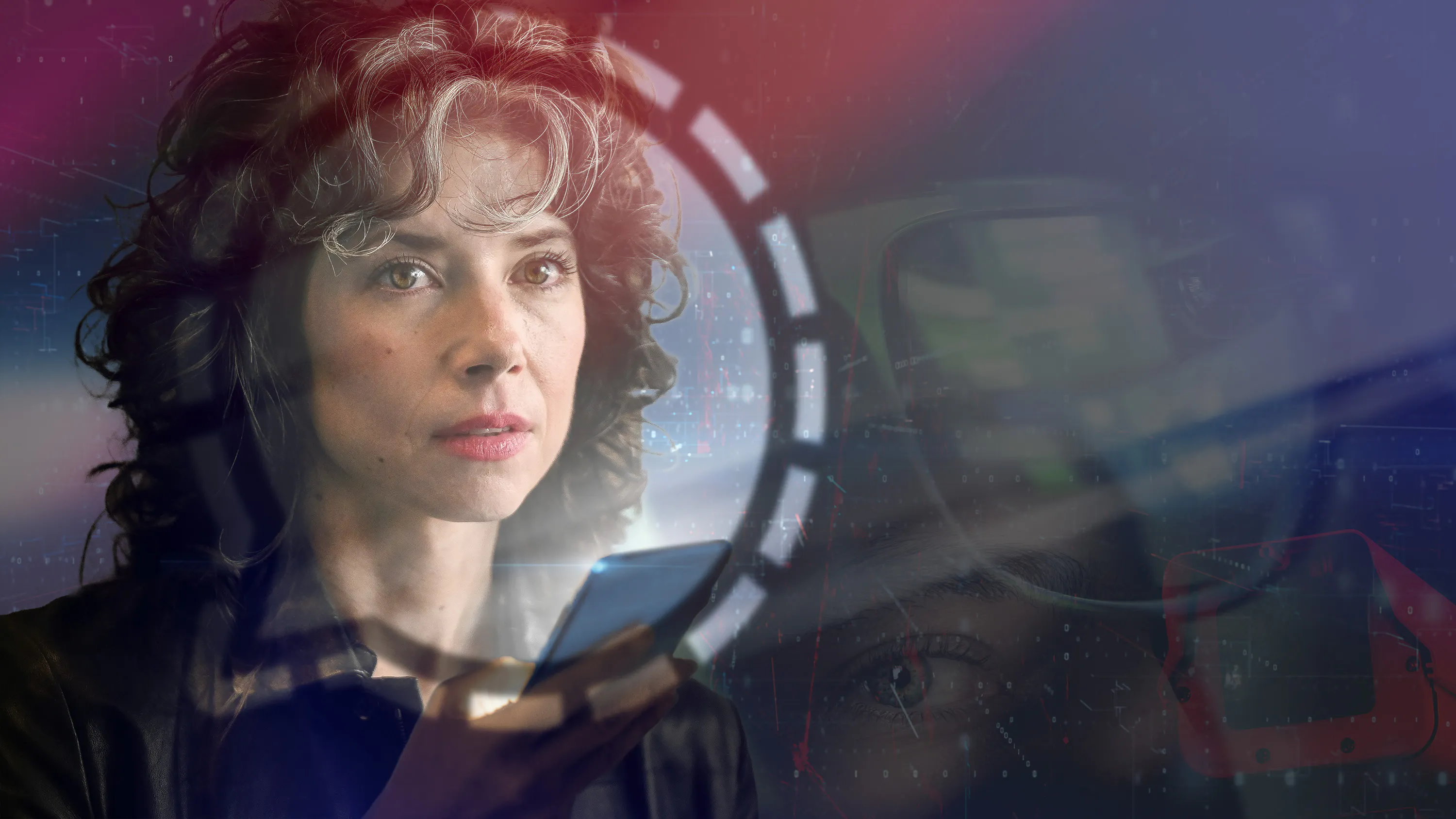
Signal Chief Meredith Whittaker Could Use Some Backup in the Fight for Encryption
Elon Musk, Jack Dorsey and Mark Zuckerberg all use Signal—but do they have its back? The president of the Signal Foundation worries that without their cooperation, digital privacy will become a thing of the past. Julia grabbed a coffee with the outspoken critic of big tech.
the most epic

How a Videogame CEO Became the Boss of the Weight Room
Margaux chats with Strauss Zelnick, CEO of videogame holding company Take-Two Interactive Software, about his twice-a-day gym habit, road-biking through British Columbia and why he believes he’s “singularly responsible for getting Silicon Valley into shape.”

Watching: The uncanny valley of interviews
The metaverse has come a long way since the legless cartoon torsos of last summer. This week, Lex Fridman released his third podcast interview with Meta CEO Mark Zuckerberg—only this time, they weren’t in the same room. Rather, they spoke to each other from inside Meta Quest Pro headsets, just two photorealistic bros vibing in a black abyss. Fridman, who’s known for his sense of awe, spent the first few minutes of the intro gawking at Zuckerberg’s extremely lifelike features and gestures. Watching the 2D video didn’t have quite the same effect, but this is a good reminder of just how close we are to the future, as I wrote about in August. We are nearing the point when each of us will be able to send a precise digital double of ourselves (or at least, our floating heads) into the metaverse. —Julia
Reading: The rise of obituary content
Imagine your friend passes away, and you Google their name. Suddenly, you’re fed video after video of robotic, anonymous voices reciting the details of your friend’s death. For Wired, Kate Knibbs reports on obituary piracy, in which YouTube accounts take online obituaries, use a fake voice to read them aloud and then spit out dozens of videos in hopes of making a few bucks from ads. It’s both distasteful and ineffective; most of the videos only get a dozen or so views each, likely loved ones who were duped. But some of the accounts have, over the course of hundreds of videos, scraped together enough views to qualify for YouTube’s Partner Program, giving them a cut of ad revenue. Unfortunately, the videos aren’t illegal; if anything, experts told Wired that we can expect to see a surge in obituary content, courtesy of new AI voice and scraping tools. —Margaux
Noticing: Apps that won’t leave teens alone
It’s not grownups’ imagination: Teenagers really are checking their phones over 100 times a day. According to a new study from Common Sense Media and the University of Michigan Ann Arbor’s C.S. Mott Children’s Hospital, teens aged 13 to 18 regularly receive hundreds of notifications a day from apps like Snapchat, Discord and Instagram. Even though teen usage of Snapchat is rapidly plummeting, the study found, those hours are being steadily replaced—and ramped up—by time spent on TikTok. The video-based social app is particularly addictive, offering “bite-size pleasure and low-friction interaction that quickly adapts to the user’s interests or mood.” Fast Company calls it “quick hit” syndrome—with one video quickly turning into ten. Before teens know it, they’re spending upwards of seven hours a day on the app. Overall, the study results are both illuminating and damning, offering empirical evidence that apps are designed to attract teens to their phones and keep them there for hours. —Annie
Makes You Think
Until next Weekend, thanks for reading.
—Jon